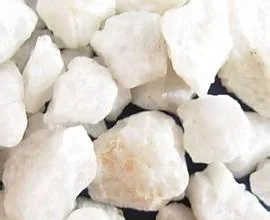
Glass & ceramics
A source of CaO and MgO; chemistry and iron are often more important than extreme fineness.
DOLOMITE POWDER ENGINEERING GUIDE
A process-led reference to geology, crushing, metered conveying, dry grinding, air classification and application-specific particle design, with CRGM80, CRGM100 and CRGM125 as the equipment platform.
01 / Mineral fundamentals
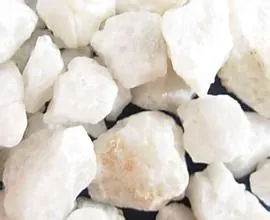
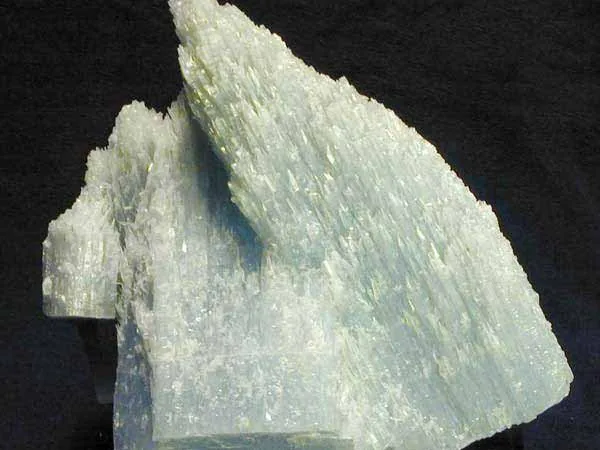
Mineral dolomite has the ideal composition CaMg(CO3)2. In practice, ore may contain calcite, quartz, clay, iron-bearing minerals and organic matter. These variations affect whiteness, abrasion, acid reactivity, calcination behavior and final application value.
As a ground mineral, dolomite is used as a filler, extender, soil amendment and source of calcium and magnesium. As a thermally treated feed, it can be calcined or sintered for metallurgical fluxes, refractories and magnesium-bearing products. Powder specifications must therefore connect particle size with chemistry and the next unit operation.
Dolomite is common in sedimentary carbonate platforms and in some hydrothermal or metamorphic settings. It occurs in extensive belts in China, India, Southeast Asia, Europe, North America, Brazil, Mexico, Turkey, the Middle East and southern Africa.
02 / Global occurrence
Public statistics frequently combine dolomite with limestone, lime, dimension stone or crushed stone. This chart is a geological and industrial intensity guide, not a claimed world production-share table.
Two deposits with similar MgO may grind differently because crystal size, silica, micro-fractures and moisture change breakage and wear. Representative sampling and PSD testing are more useful than a country label.
03 / Powder design
Mesh is a convenient trade reference, but D10/D50/D90 or D97, oversize residue, brightness, oil absorption and chemistry are more reproducible.
| Planning band | Approx. opening | Typical uses | Why the size matters | What else to verify |
|---|---|---|---|---|
| 80-200 mesh coarse powder | 180-75 um | Soil conditioning, glass batch, basic construction blends, some flux feeds | High throughput and adequate mixing where ultrafine surface area is unnecessary. | CaO/MgO ratio, silica, iron, moisture, reaction or calcination behavior. |
| 200-325 mesh general industrial | 75-45 um | Mortar, wall putty, ceramics, agriculture, asphalt and rubber compounding | Better dispersion and packing while retaining economical grinding energy. | Coarse residue, whiteness, pH, grit and application-specific strength. |
| 400-800 mesh fine filler | 38-18 um | Paint, coatings, PVC, cable compounds, sealants and engineered stone | Higher surface area and lower top size improve film smoothness, packing and dispersion. | PSD span, oil absorption, brightness, moisture and surface-treatment compatibility. |
| 1000-1250 mesh ultrafine | 13-10 um | Higher-grade plastics, coatings, masterbatch, adhesives and specialty mineral blends | A controlled coarse tail helps surface finish and stabilizes rheology at higher filler loading. | D97, agglomerates, Fe contamination, particle morphology and dispersibility. |
| 1500-2500 mesh micronized | 8-5 um | Specialty fillers where validated surface area and top cut justify the added energy | Very fine particles influence opacity, interfacial area and formulation response. | Laser PSD, BET area, deagglomeration, economics and product performance. |
A source of CaO and MgO; chemistry and iron are often more important than extreme fineness.
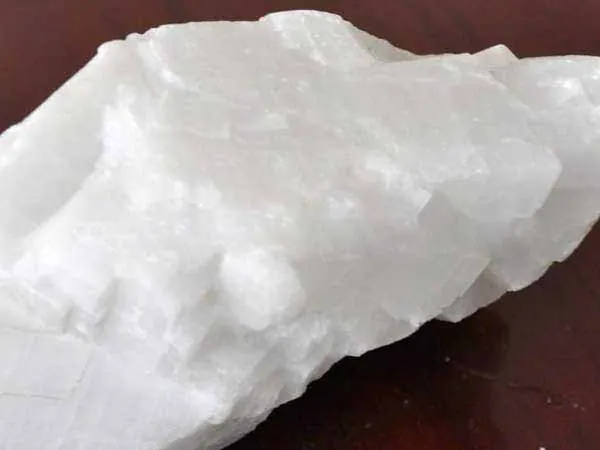
Particle packing, workability and cost control in putty, mortar and related blends.
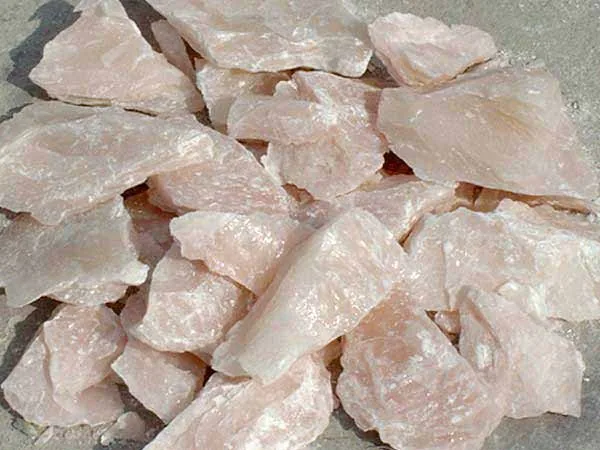
Fine PSD supports smoothness and dispersion; surface treatment may be evaluated for polymer systems.
Calcium and magnesium source and acidity management, subject to agronomic and regulatory analysis.
04 / Process engineering
A reliable line is a controlled loop rather than one standalone machine.
Measure mineralogy, CaO/MgO, silica, iron, moisture, hardness and required product tests.
Jaw or impact crushing reduces run-of-mine rock. Screening controls the top size and rejects tramp material.
A bin, feeder and enclosed conveyor deliver steady mass flow. Magnets protect downstream equipment.
Rollers compress and shear particles against grinding rings. Circulating material receives repeated stressing.
Rotor speed and airflow determine the cut point. Coarse particles return; acceptable powder moves onward.
Cyclone and pulse collector recover product under negative pressure before silos, blending or packing.

Optional drying, magnetic separation, surface treatment or multiple silos are inserted only when the feed and product specification require them.
Wet feed can coat the circuit and reduce classification efficiency. Stabilize moisture before fine grinding.
Quartz-rich feed increases abrasion and may restrict high-value filler applications.
Pressure, temperature and airflow affect conveying, cut size and dust collection at the same time.
Use representative, timed samples and a stated PSD method. A single sieve result is not a complete product definition.
05 / Equipment selection
Select by feed behavior, target PSD, contamination tolerance, plant scale and total operating strategy.
Choose it when: moderate fineness, robust operation and a lower-complexity line matter most.
Choose it when: existing infrastructure, very large scale or a specific impact/attrition profile supports the footprint.
Choose it when: ultrafine dry powder, grade flexibility and tighter PSD control are central.
06 / Working principle
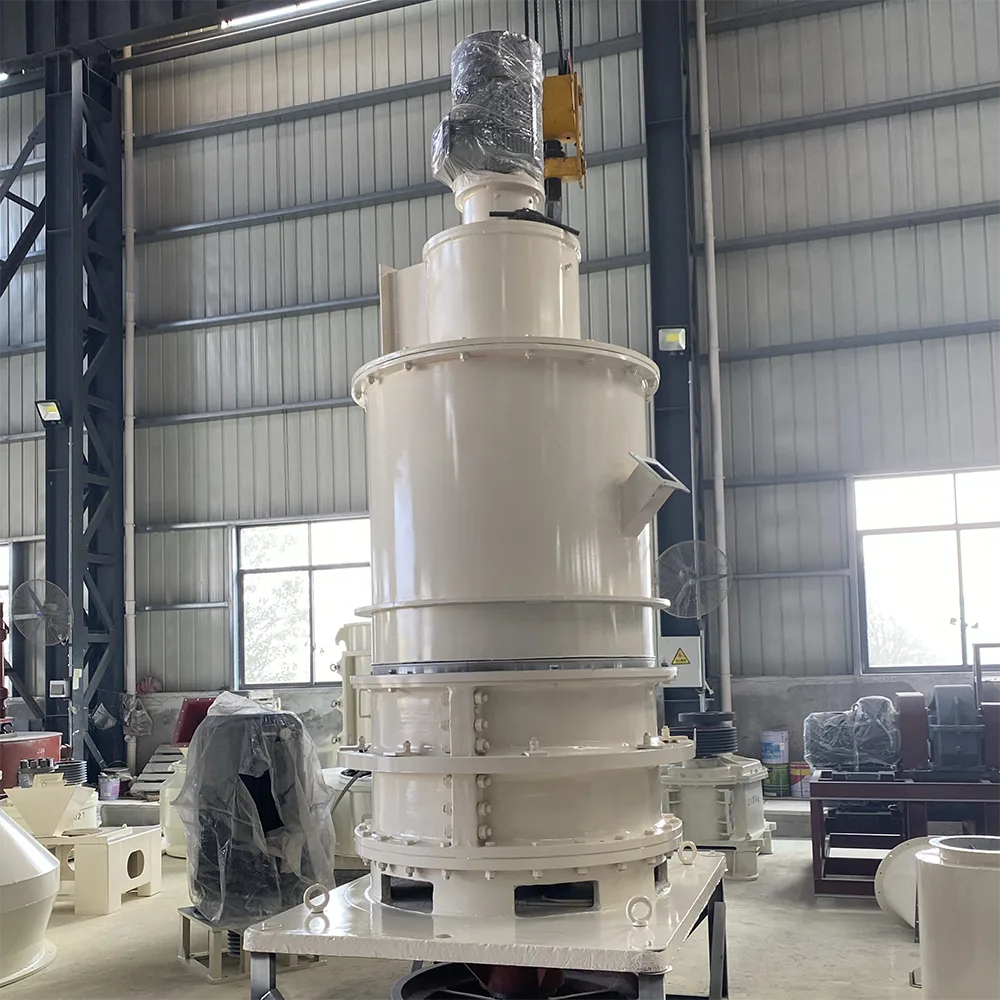
Prepared dolomite enters the grinding chamber through a controlled feeder. Rotation produces centrifugal force that loads the roller assemblies against the grinding rings. Particles are repeatedly compressed and sheared until airflow can lift them toward the classifier.
The dynamic classifier acts as the size-control gate. Fine particles pass with the process air to collection; coarse particles lose momentum and return to the grinding zone. This closed circuit avoids relying on a single pass and lets operators tune feed rate, airflow and classifier speed as one system.
07 / CRGM technical data
Catalogue values are engineering references, not a dolomite performance guarantee. Chemistry, feed size, moisture, PSD and test method materially affect output.
| Parameter | CRGM80 | CRGM100 | CRGM125 |
|---|---|---|---|
| Maximum feed size | 20 mm | ||
| Overall dimensions (L x W x H) | 15.9 x 4.2 x 6.1 m | 19.7 x 4.7 x 7.7 m | 23.2 x 4.7 x 7.7 m |
| Main unit power | 75 kW | 132 kW | 185 kW |
| Classifier power | 18.5 kW | 30 kW | 75 kW |
| Blower power | 45 kW | 75 kW | 132 kW |
| Discharge valve | 0.75 x 2 kW | 1.1 kW | 1.5 kW |
| Screw conveyor | 3 kW | 4 kW | 4 kW |
08 / Practical advantages
Benefits become meaningful only when measured against the same feed, fineness and product test.
Dynamic classification returns oversize material rather than accepting a broad uncontrolled product.
Rollers and rings form the primary wear system, avoiding continuous ball-media management.
Grinding, lifting and classification are arranged vertically with enclosed pneumatic transport.
Classifier speed, airflow and feed rate can be recorded for repeatable grade changeovers.
Negative-pressure operation and pulse filtration support cleaner transfer and product recovery.
Cronus can coordinate crusher, feeder, mill, collector, silo, packing and electrical scope.
09 / Project evidence
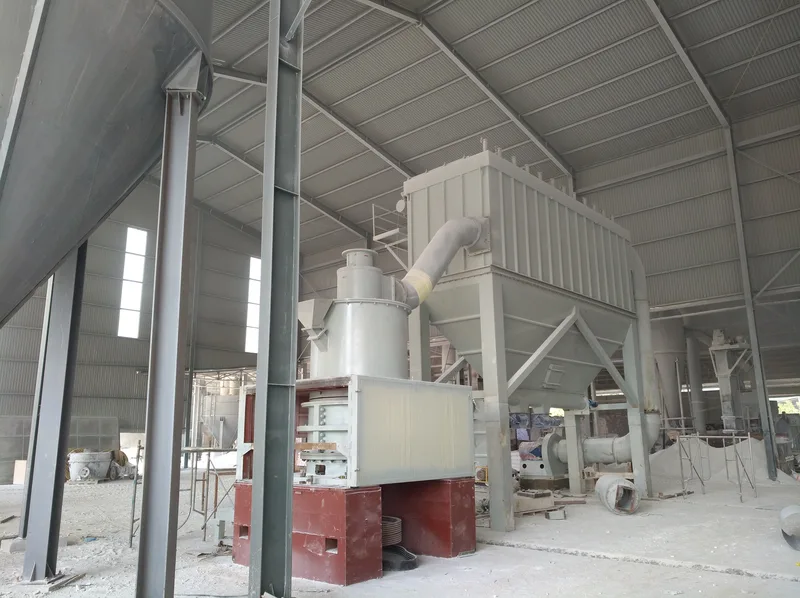
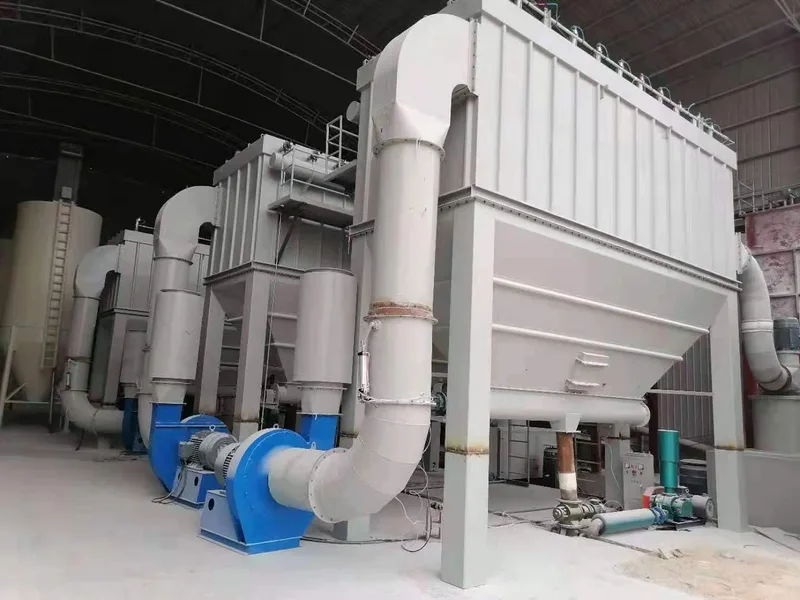
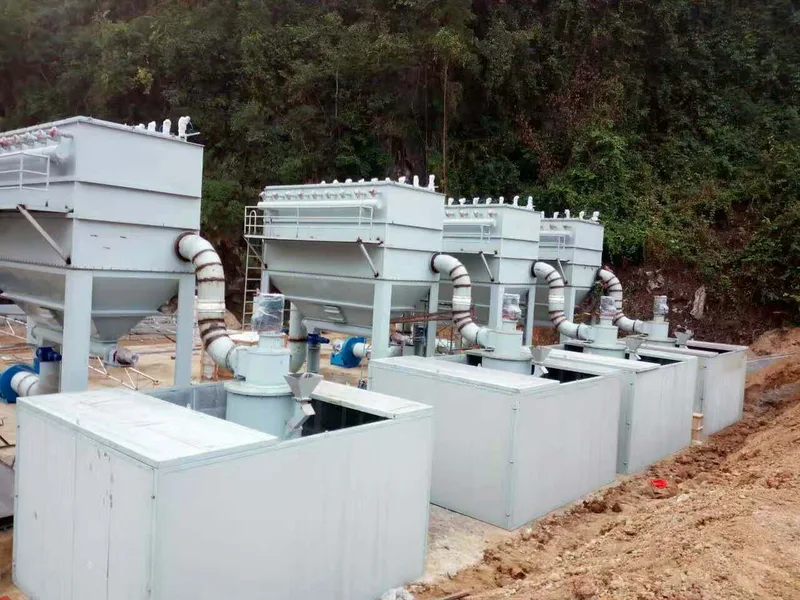
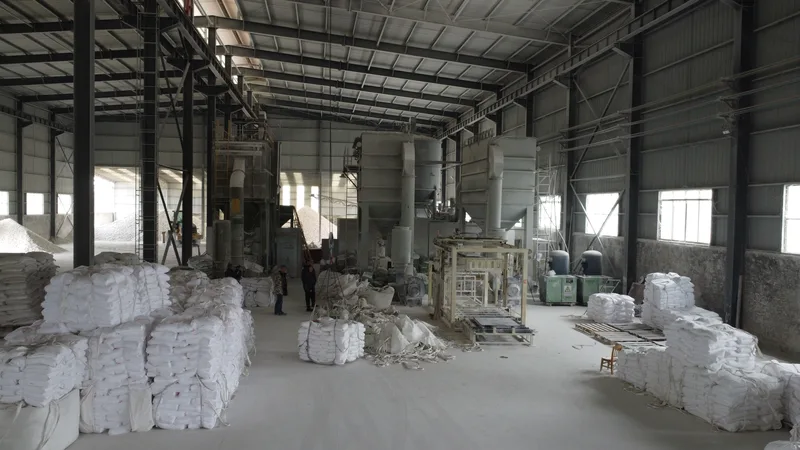
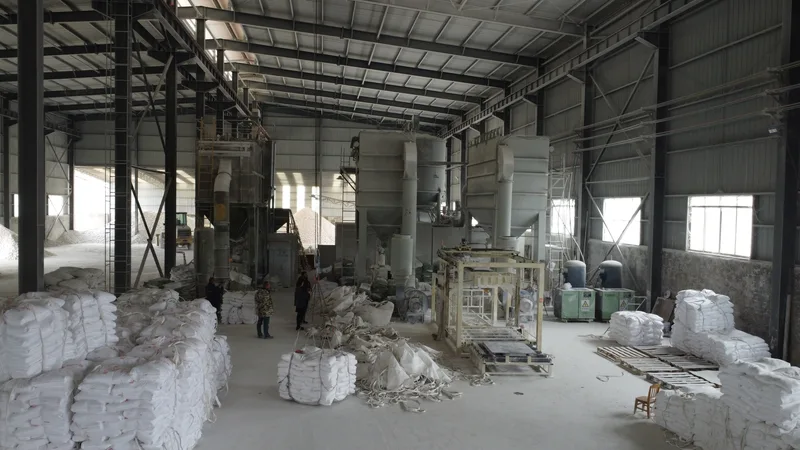
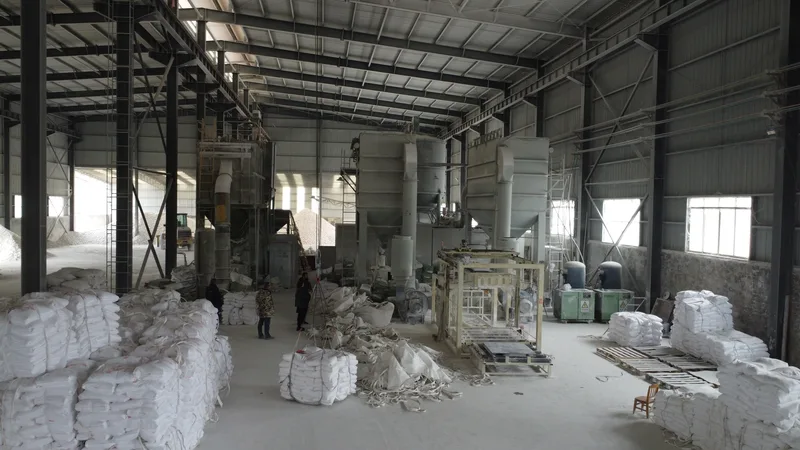
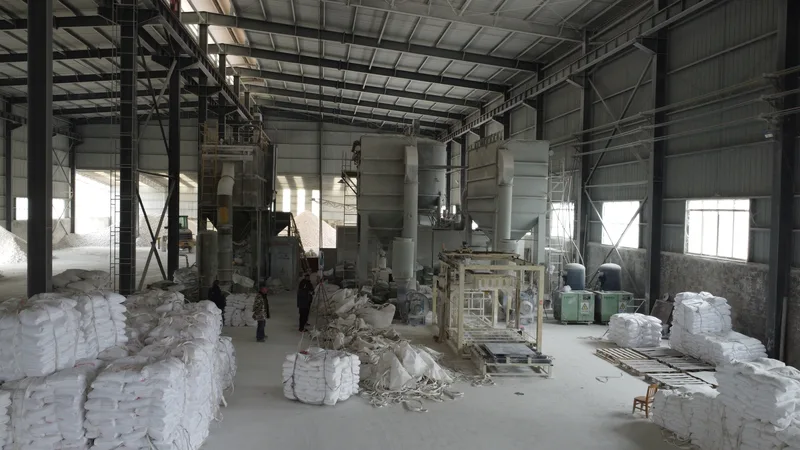
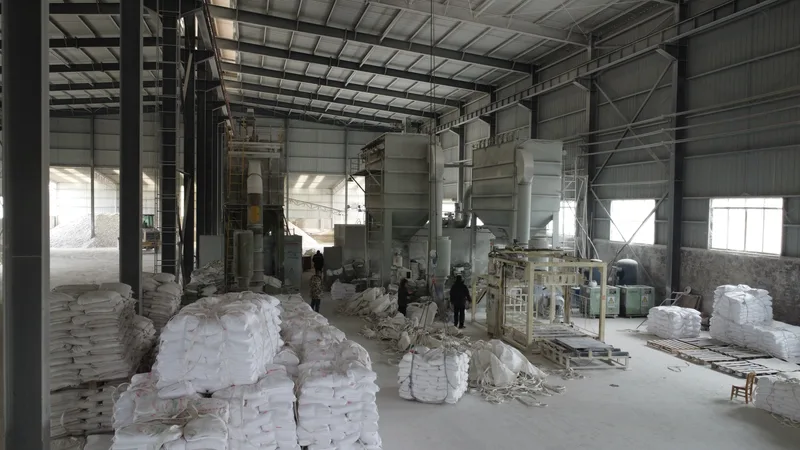
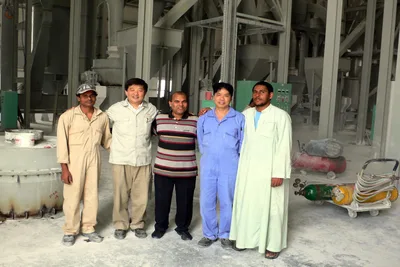
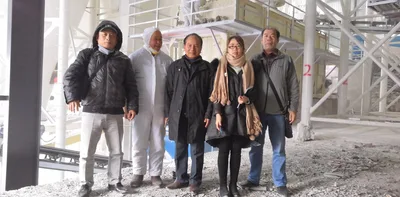
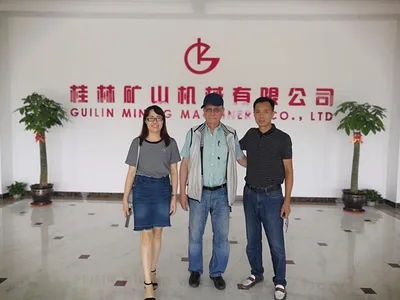
The local project photographs demonstrate manufacturing and installed mineral-grinding equipment. Final dolomite output must still be confirmed by a site-specific test.
10 / Wear parts & spares
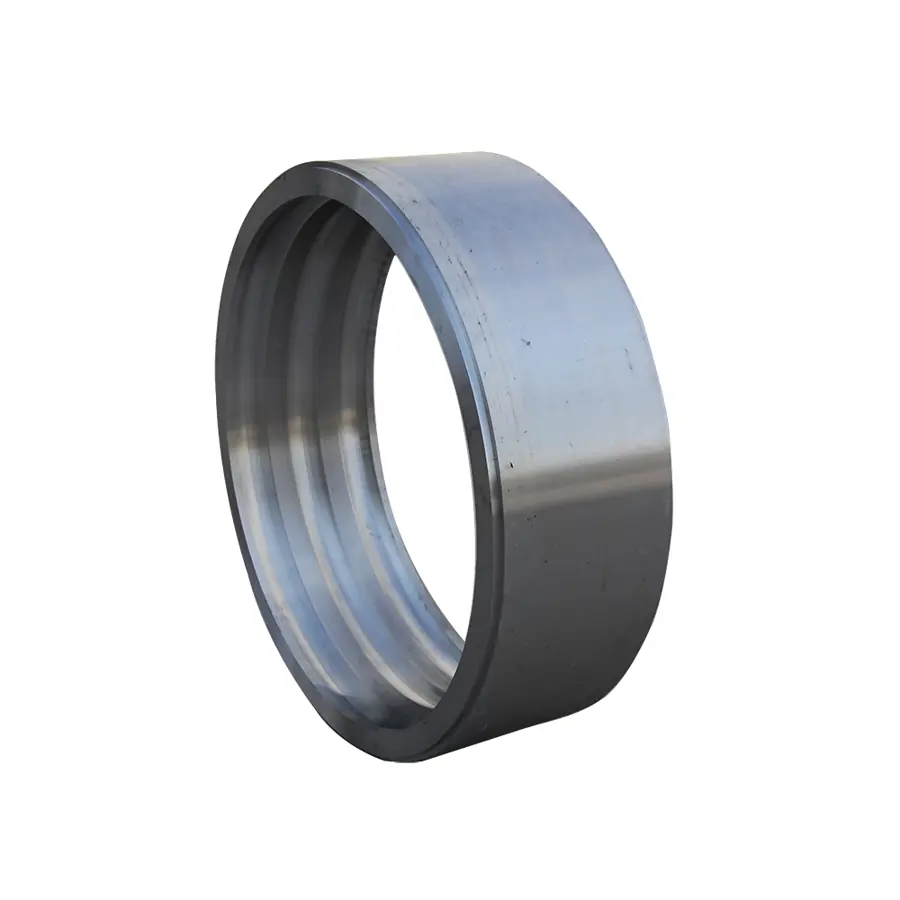
Common service items include grinding rollers, rings, roller pins, shafts, classifier blades or impellers, liners, scrapers, seals, bearings, filter bags and pulse valves. Inspection frequency should follow vibration, power, pressure-drop and PSD trends rather than a calendar alone.
Cronus supplies OEM-matched dimensions and materials, with manufacturing support from the group's own casting and machining resources. The practical advantage is traceability: hardness, profile and fit are controlled against the machine instead of guessed from a photograph.
11 / Company & manufacturing
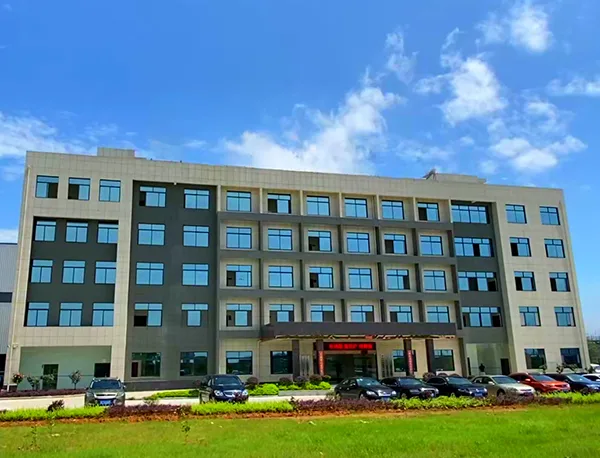
Cronus is a subsidiary of Guilin Mining Machinery, whose equipment manufacturing history began in 1973. More than five decades of casting, machining, assembly and field feedback support the grinding systems supplied today.
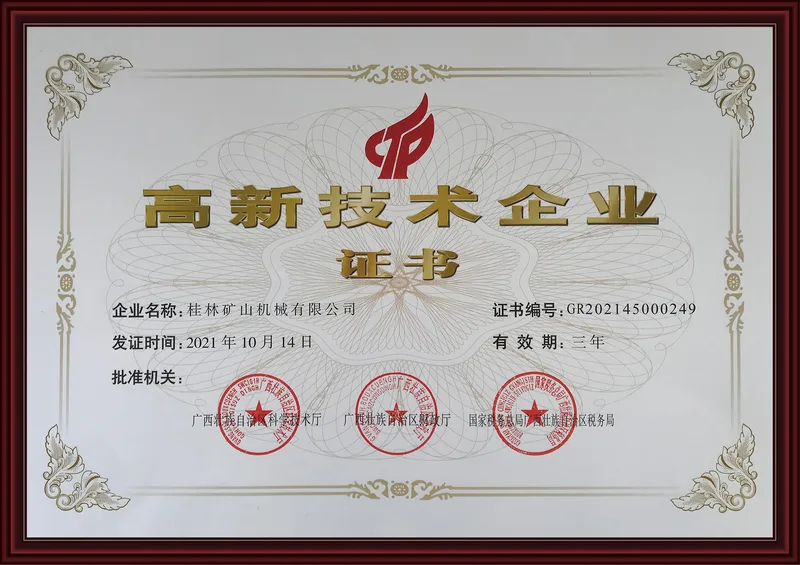
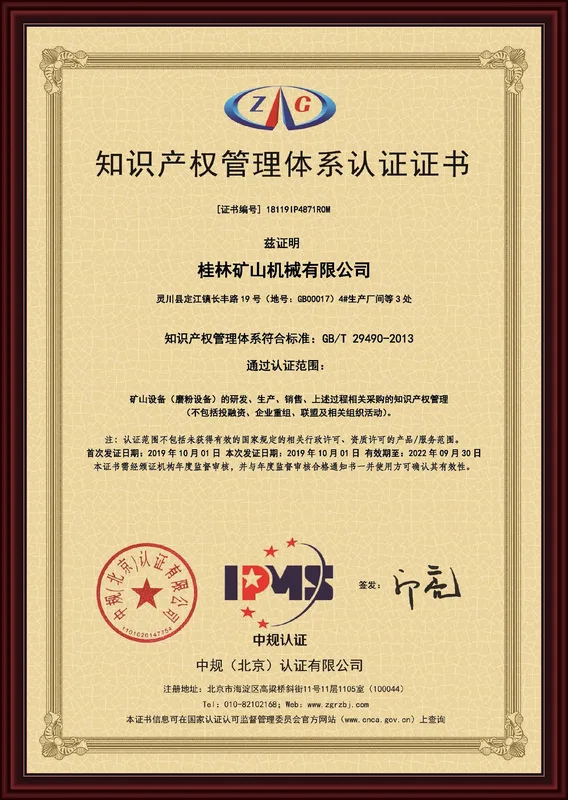
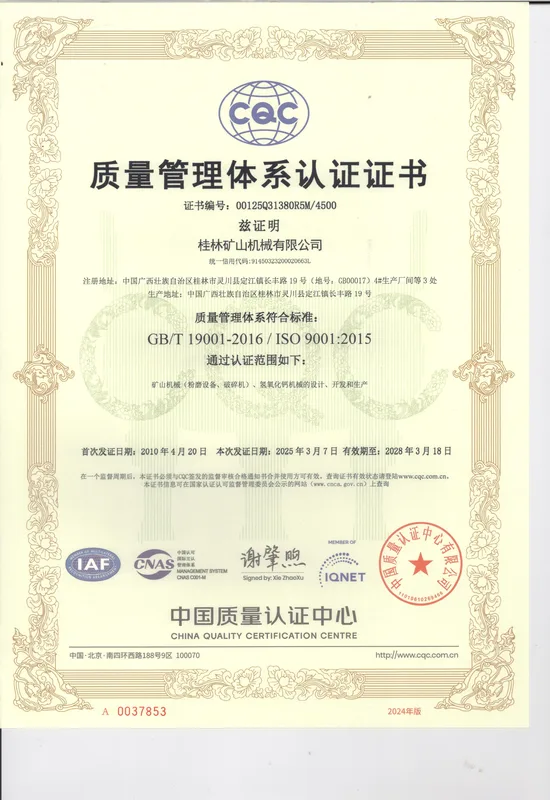
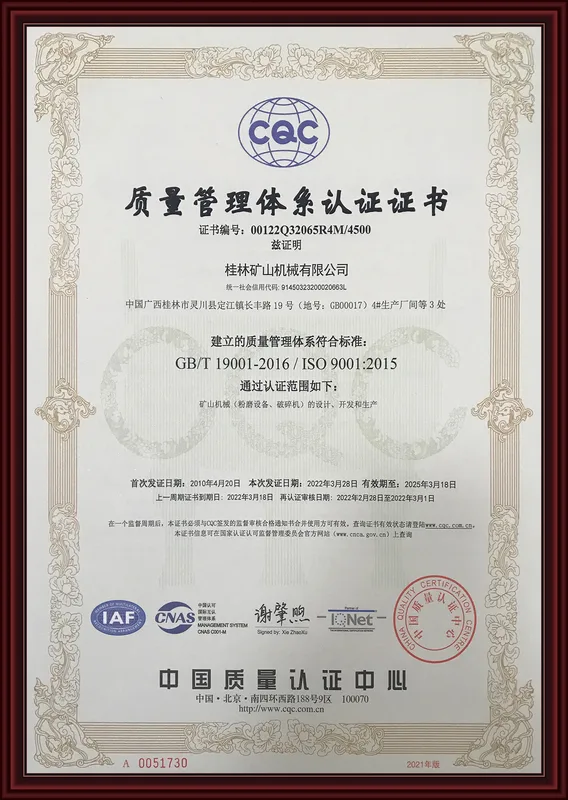
Capabilities cover mineral testing, process design, equipment manufacturing, installation guidance, commissioning and parts support. Company credentials include high-tech enterprise recognition, invention and utility patents, CE documentation and ISO management-system certification.
 International project and engineering team.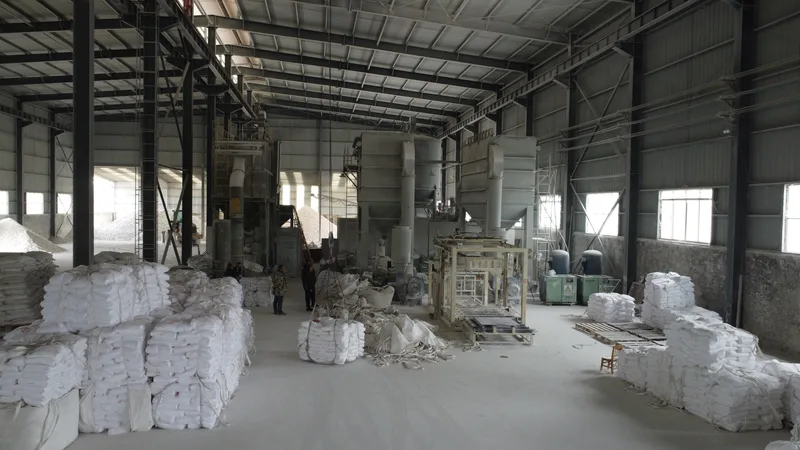
12 / Service lifecycle
Commissioning is complete when operators understand the process window, not merely when the motor starts.
Feed analysis, target PSD, product tests and representative sample planning.
Flowsheet, model, utilities, dust control, layout and commercial scope.
Fabrication, machining checks, assembly records and pre-shipment review.
Foundation, alignment, piping, electrical and lubrication-system guidance.
No-load checks, controlled feed ramp-up, airflow balance and PSD recipes.
Operation, sampling, maintenance, safety and troubleshooting documentation.
Recommended start-up spares and wear monitoring for the actual feed.
Trend review and process adjustment as ore or product requirements change.

13 / Engineering FAQ
The short answer is often “test the representative feed.” These notes explain what the test should resolve.
The catalogue states a maximum feed size of 20 mm. A narrower, stable top size is often preferable. Crusher selection depends on run-of-mine size, silica, moisture and desired capacity.
Only when free moisture is high enough to cause coating, bridging or poor classification. Measure seasonal moisture and confirm the allowable value during testing.
Mesh relates to sieve opening; microns express particle size directly. Ultrafine powder should be specified by a full laser PSD and a stated D-value, not by mesh alone.
Some systems may report fine fractions at that level, but stable capacity and coarse-tail control must be demonstrated. Ring roller or classified ball-mill circuits are normally compared for sustained ultrafine duty.
It can be sensible for very large plants, existing ball-mill infrastructure, wet processing or a product that benefits from its particular breakage mechanism.
Use required capacity at the agreed PSD, feed properties, annual hours, grade mix, local power and layout. Nominal model size alone is not enough.
Yes, within the tested operating window. Each grade should have a recorded recipe for feeder rate, classifier speed, airflow and sampling, plus suitable silo and cleaning arrangements.
Quartz and other hard impurities, feed top size, target fineness, operating stability, material selection and inspection practice all matter. Test mineralogy before estimating wear life.
The cut point results from classifier rotor speed, airflow, circulating load, feed rate and the grinding state. Operators tune the full loop rather than one control in isolation.
Yes. Scope can cover crusher, screen, feeder, conveyor, mill, classifier, cyclone, dust collector, silos, packing and electrical control.
Material name and assay, moisture, feed size, target PSD or residue, application, capacity, hours, voltage, altitude, climate, packing and site layout.
Documentation, installation guidance, remote or arranged site commissioning, operator training, process follow-up and original spare-part support can be included by project scope.
14 / Start with the material
Send the feed analysis and the downstream performance target. An engineering reply can then focus on the right test, circuit and model instead of a generic quotation.
Shanghai officeRoom 801, Building 2, Shanghai Zhicheng, No. 8666 Hunan Highway, Pudong New Area, Shanghai, China